

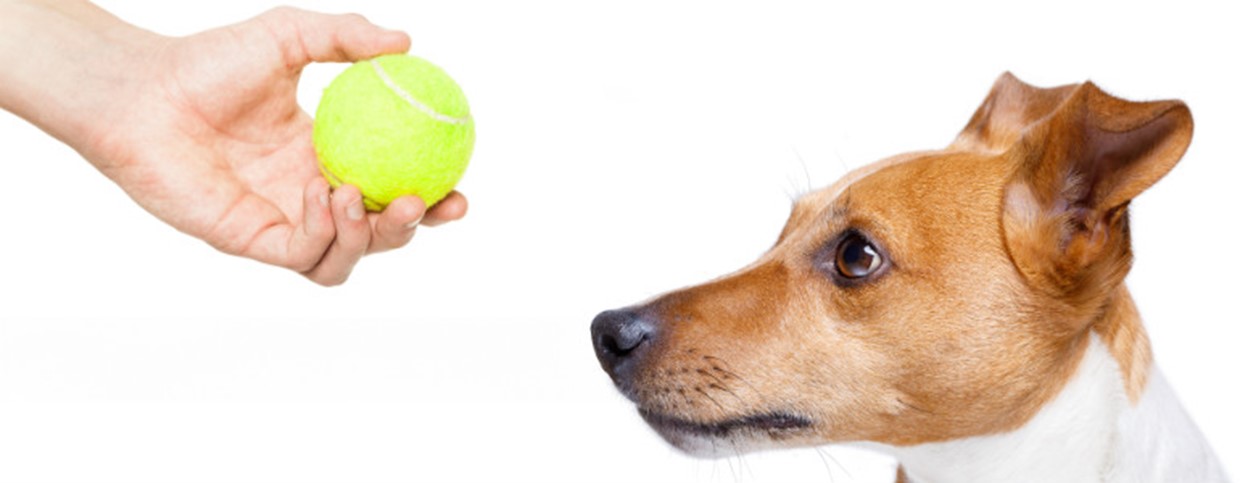
With so many different dog toys available it can be confusing and a little overwhelming choosing the right toy for your best friend.
So let’s take a look at some of the common dog toys available and which kinds of dogs they suit best.
Rope Toys
Dog rope toys are best for dogs that like to play tug, hold and retrieve objects as well as those that like to chew. Rope toys suit dogs of all ages and are especially enjoyed by working breeds and retriever types. Rope toys are also beneficial for exercising your dog’s mouth and jaw and can also help to promote dental hygiene.
Chew Toys
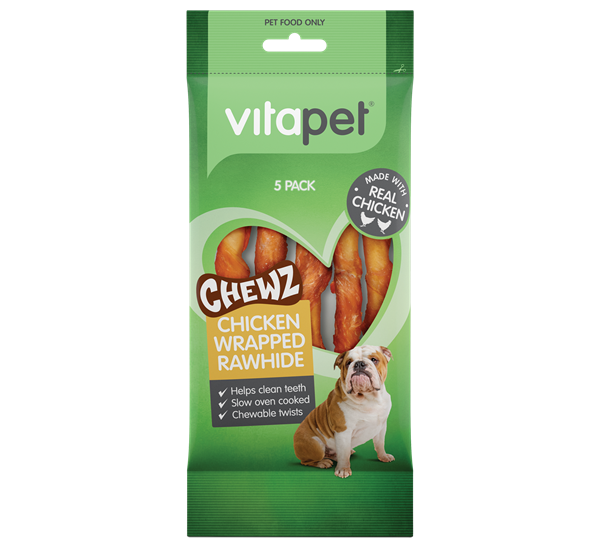
Toys that promote chewing are beneficial for all dogs, especially teething puppies and dogs that love to chew. Chewing is a normal behaviour for our canine companions and giving them dog chew toys provides opportunities to chew appropriately. This can help to avoid your dog from chewing inappropriate items such as furniture, clothing and household items.
Food Puzzle Toys
Puzzle toys that allow treats or meals to be placed inside are great for all dogs but especially working breeds. They provide mental stimulation, physical exercise and help to alleviate boredom. These toys vary in their degree of difficulty with those classified as being easy best for young puppies and older dogs. As your dog gets better at solving these toys, you can introduce more challenging varieties to keep them on their toes.
Squeak Toys
Dog squeak toys are enjoyed by most dogs, especially terrier types and those dogs that like to bite and shake their toys. Squeak toys activate your dog’s predatory instinct and provide an appropriate outlet for the behaviour.
Plush Toys
Durable and washable plush toys are a popular choice for dogs of all ages. Soft plush toys are wonderful for young puppies because they provide them with a sense of comfort, especially after separation from their mother and littermates.
Many older puppies and adult dogs continue to enjoy playing with plush toys and often carry them around, cuddle up to them and sleep with them. Plush toys may not be well suited to heavy chewers.
As you can see, different types of toys suit different types of dogs. Many dogs also have preferences for certain types of toys. Understanding your dog’s natural behaviours and their individual preferences can help you select the best toys for them.
As with anything, it’s important to monitor your dog when playing with different toys to ensure they’re suitable and that your dog is not ingesting any part of the toy.
Toys that are worn out or damaged should be replaced.
Dog Toys - Frequently Asked Questions
What toy do dogs like the most?
Dogs enjoy toys that satisfy natural instincts — chew toys, fetch balls, tug ropes, and puzzle feeders that challenge their minds. Preferences vary by breed, size, and personality.
What dog toys do vets recommend?
Durable, non-toxic toys like KONGs, ropes, or interactive treat-dispensing puzzles encourage safe chewing and mental engagement. Rotate toys to keep interest high.
What's the best toy for a dog?
The ideal toy matches your dog’s energy, size, and preferences: chew-resistant for more aggressive chewers, soft plush for gentler or less physical dogs, and interactive feeders for mental enrichment. The best toy is always the one they enjoy – and that often depends on the temperament.
What are indoor boredom busters for dogs?
Puzzle feeders, treat-dispensing balls, hide-and-seek games, short training sessions, and rotating toys help prevent boredom and destructive behaviour indoors.